
How Fortnite Gameplay Choices Shape Player Behavior

Fortnite isn’t just about reflexes or mechanical skill. What truly separates players over time is how they make decisions in constantly shifting situations. When you look closely at fortnite gameplay decision patterns, a clearer picture emerges: habits form, instincts take over, and small choices start shaping long-term player behavior in ways many don’t even notice.
This is why Fortnite feels different from match to match. The game quietly rewards certain behaviors patience, positioning, risk control while punishing others. Over time, these repeated choices turn into a recognizable playstyle, even for players who think they “just play naturally.”
The Hidden Psychology Behind Fortnite Gameplay
Every Fortnite match forces players to make dozens of micro-decisions under pressure. Where to land, when to rotate, whether to fight or disengage none of these are random. They’re shaped by past experiences, confidence levels, and even previous losses.
Players who’ve been punished for early aggression often become cautious. Others who’ve survived risky plays may start chasing fights more often. These mental feedback loops slowly define how someone approaches the game, often without conscious intent.
Why Landing Choices Reveal More Than Skill
Landing spots are one of the earliest indicators of player behavior. Hot drops suggest comfort with chaos and quick decision-making, while quieter areas often reflect players who value control and preparation.
Neither approach is “better,” but each signals how a player manages risk. Over time, these choices influence loot paths, rotation timing, and even late-game confidence. Fortnite’s map design quietly reinforces these tendencies, making landing behavior a surprisingly reliable behavioral signal.
Combat Decisions Under Pressure
Gunfights in Fortnite aren’t only mechanical tests. They’re decision challenges. Choosing when to push, hold angles, or retreat often matters more than aim alone.
Some players instinctively overcommit, while others hesitate too long. These patterns usually stem from earlier match outcomes and personal comfort levels. Fortnite rewards adaptability, but many players fall into familiar combat habits that shape their overall performance.
Resource Management and Long-Term Habits
Materials, heals, and utility items reflect a player’s strategic mindset. Players who waste resources early often struggle in endgame scenarios, while conservative players may survive longer but miss opportunities.
These behaviors aren’t accidental. They come from learned priorities whether survival, aggression, or efficiency. Over dozens of matches, resource decisions become automatic, reinforcing a consistent playstyle.
How Rotations Shape Player Identity
Rotation choices reveal how players read the map and anticipate danger. Some rely heavily on edge rotations to avoid conflict, while others move through central zones seeking engagements.
Fortnite’s evolving storm mechanics and mobility options subtly encourage experimentation, but most players settle into patterns that feel “safe.” These movement habits influence not only survival rates but also confidence in late-game situations.
The Role of Experience in Decision Patterns
New players often make reactive choices, while experienced players rely on intuition built from repetition. However, experience doesn’t always mean better decisions it sometimes just means more consistent ones.
Fortnite’s learning curve rewards awareness, but it also allows bad habits to solidify. Recognizing decision patterns is often the first step toward meaningful improvement.
Why Self-Awareness Matters More Than Mechanics
Many players focus on aim training or building speed, but overlook decision awareness. Understanding why you make certain choices can be more valuable than refining execution alone.
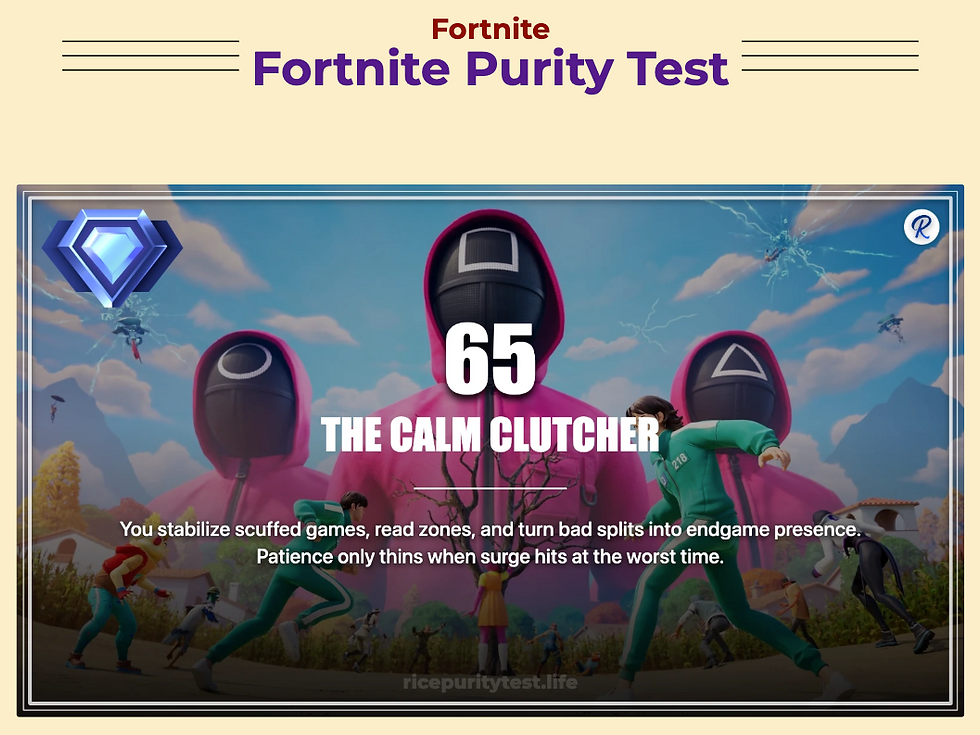
This is why playstyle analysis tools and behavior-focused quizzes resonate with the Fortnite community they help players see patterns that are otherwise invisible during live matches.
Fortnite as a Behavioral Sandbox
At its core, Fortnite functions as a behavioral sandbox. It places players in unpredictable scenarios and observes how they adapt. Over time, gameplay choices evolve into habits, and habits shape identity.
Recognizing these patterns doesn’t just improve performance it changes how players experience the game itself.

Yorumlar